
4546 E Meadowhill Ave, Anaheim, CA 92807

Electric Pool Heater Troubleshooting: Fixing Common Problems

Electric Pool Heater Troubleshooting: Fixing Common Problems

Electric pool heater not working? This guide covers everything from simple resets to complex electrical issues you can diagnose yourself. Table of Contents Why Isn’t My Electric Pool Heater Working? No Power to Heater Breaker Keeps Tripping Heating Element Failures Flow Switch Problems High Limit Switch Issues Thermostat Malfunctions Contactor Problems Temperature Sensor Faults Heater Runs But Heats Slowly Understanding Error Codes Regular Maintenance Tasks Using a Multimeter for Testing Electrical Safety Rules When to Call an Electrician Why Isn’t My Electric Pool Heater Working? Electric pool heaters are actually pretty simple compared to gas heaters. They use heating elements (like giant versions of whats in your electric water heater) to warm the pool water. The most common call we get: “My electric heater stopped working.” Nine times out of ten, its either a tripped breaker or a bad heating element. Simple stuff. Basic Components: Electric heaters have heating elements, a thermostat, a flow switch, contactors (relays), and safety switches. When any of these fail, the heater stops working. Symptom Most Likely Cause Quick Check Completely dead, no lights No power (breaker off) Check breaker panel Breaker trips when heater starts Bad heating element or short Test elements with multimeter Heater on but not heating Failed heating element Check if elements are getting power Heating but very slowly One or more elements failed Test each element separately First Steps in Any Diagnosis: Step 1: Check the breaker – is it on? Step 2: Look at the heater display – any error codes? Step 3: Is water flowing through the heater? Step 4: Feel the pipes – are they getting warm at all? No Power to Heater If your heater display is dark and nothing happens when you turn it on, theres no power getting to the unit. Common Power Issues: Circuit breaker tripped or off GFCI tripped (common in pool equipment) Loose wire at disconnect box Failed transformer (provides low voltage for controls) Blown fuse on control board Bad disconnect switch Power Troubleshooting: Step 1: Go to breaker panel, find heater breakers (usually 2-pole, 40-60 amp) Step 2: If tripped, reset and see if it holds Step 3: Check disconnect box near heater – should be “on” Step 4: Look for GFCI breakers and test/reset them Step 5: Check for loose wires in junction boxes ⚠️ Danger: Electric pool heaters run on 240V which can kill you. Always turn off the breaker before opening any electrical panels or boxes. According to Pentair’s electric heater documentation, proper electrical connections are critical for safe operation. Breaker Keeps Tripping If your breaker trips every time the heater tries to start, somethings drawing too much current. This is usually a bad heating element or a short circuit somewhere. Why Breakers Trip: Heating element shorted to ground Water got inside electrical components Breaker itself is worn out Loose connection creating arcing Too many things on same circuit (rare for pool heaters) Important Test: If the breaker trips immediately when you turn it on (before heater even starts), theres a dead short. Call an electrician. Isolating the Problem: Step 1: Turn off heater power at disconnect Step 2: Reset breaker – does it stay on now? Step 3: If yes, problem is in the heater Step 4: If no, problem is in the wiring between breaker and heater Step 5: Test heating elements with multimeter (see section below) Had a customer who kept resetting the breaker for weeks. Finally called us. One heating element had failed and was shorting out. It melted part of the wiring inside the heater. A $150 element repair turned into a $800 electrical repair because they waited. Heating Element Failures Heating elements are the most common failure point in electric pool heaters. They burn out over time, especially if you have hard water or chemistry problems. What Kills Heating Elements: Scale buildup from hard water Corrosion from unbalanced chemistry Running dry (no water flow) Age – they dont last forever (5-10 year lifespan) Power surges Testing Heating Elements: Tools Needed: Multimeter set to resistance (ohms) Step 1: Turn off ALL power to heater Step 2: Disconnect wires from element terminals Step 3: Test resistance between the two terminals Good Element: Shows 10-30 ohms (check your model specs) Bad Element: Shows infinite resistance (open circuit) or zero (shorted) Multiple Elements: Most electric heaters have 2-6 heating elements. If one fails, the heater still works but heats slower. Test them all. Element Test Result What It Means Action 10-30 ohms Element is good Test next element Infinite (OL) Element is burned out Replace element Zero or very low Element is shorted Replace immediately Fluctuating reading Element failing or bad connection Replace soon For element replacement procedures, check Hayward’s service documentation. Flow Switch Problems The flow switch is a safety device that prevents the heater from running without water flow. If it fails or gets stuck, the heater wont turn on even when water is flowing fine. Flow Switch Symptoms: Heater wont turn on despite good water flow Flow error code on display Heater works intermittently You can hear switch clicking but heater doesnt start Testing the Flow Switch: Step 1: Make sure pump is running and water is flowing Step 2: Locate flow switch (usually on side of heater) Step 3: With power off, test with multimeter for continuity Step 4: Should show continuity when water flows, open when no flow Step 5: Clean or replace if not operating correctly Common Fix: Flow switches can get gunked up with debris or scale. Sometimes just removing and cleaning it solves the problem. ⚠️ Never Bypass: Some people bypass the flow switch to “fix” the problem. This is dangerous and can destroy your heating elements if water stops flowing. High Limit Switch Issues The high limit switch shuts down the heater if water temperature gets too hot. When it trips, the heater stops heating until the switch is manually reset. Why High Limits Trip: Low water flow causing overheating Thermostat set too high Failed

Swimming Pool Heater Service Orange County | 24/7 Emergency
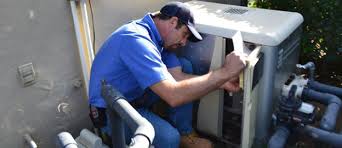
Swimming Pool Heater Service in brea

“Last January, when that cold snap hit Huntington Beach, our phone rang off the hook. Everyone’s pool heater decided to quit at the exact same time. That’s when we learned something important – most pool heater problems in Orange County start showing warning signs weeks before they completely fail.” Need Swimming Pool Heater Service Right Now? Emergency Service Available 24/7 Pool’s cold? Heater making weird noises? We handle all brands: Pentair pool heaters (including that annoying “service required” message) Hayward, Raypak, Jandy heaters Gas, electric, and heat pump system Check out our Emergency Pool Heater Service  Call Now: (714) 904 -8575 – Average arrival time in Orange County: 45 minutes Quick Navigation Common Pool Heater Problems We See Daily Gas Pool Heater Repair Services Electric Pool Heater Repair Swimming Pool Heat Pump Service Swimming Pool Heater Installation Pool Heater Replacement Emergency Repair Service Preventive Maintenance Service Costs & Warranty Common Questions Pool Heater Repair Near Me – The Problems We Fix Every Day You know what’s frustrating? Your pool heater worked perfectly yesterday, but today the water’s freezing. Here in Orange County, we see the same heater problems over and over – especially in coastal areas like Newport Beach and Laguna Beach where the salt air wreaks havok on equipment. Signs Your Pool Heater Needs Service: Water temperature won’t reach the setting on your thermostat Heater turns on and off repeatedly (short cycling) Strange noises – clicking, banging, or whistling sounds Error codes displaying (especially that Pentair “service required” message) Higher gas bills than usual Rust or corrosion visible on the unit Black smoke or unusual smells Most pool owners in Irvine, Tustin, and surrounding areas don’t realize their heater’s struggling until it completely stops. That’s why we offer free phone diagnostics – just describe what’s happening and we’ll tell you if it’s serious. Gas Pool Heater Repair Gas heaters are everywhere in Orange County – they heat pools fast and work great when it’s cold. But man, when they break, it’s usually at the worst possible time. Like when you’ve got family visiting from out of state. Most Common Gas Pool Heater Service Calls:Ignition failure (pilot won’t stay lit) – Usually a dirty flame sensor or bad thermocouple. Takes about 30 minutes to fix. Temperature fluctuations – Your heater can’t decide if it wants to work or not. Often caused by low gas pressure or a failing control board. Heater won’t fire up – Could be anything from a tripped safety switch to a spider web in the gas orifice (yes, really). Our Gas Pool Heater Service Process: Step 1: Check gas supply and pressure (low pressure is super common in older Mission Viejo neighborhoods) Step 2: Clean or replace ignitor and flame sensor Step 3: Test all safety switches and controls Step 4: Inspect heat exchanger for cracks or damage Step 5: Verify proper venting and combustion Electric Pool Heater Repair Electric heaters are less common here in Orange County, but we still service plenty of them – especially in condos and smaller properties in Costa Mesa and Garden Grove. Electric Heater Issues We Handle: Overheating: Usually a flow problem or scale buildup Circuit breaker trips: Bad heating element or moisture in electrical components Not heating at all: Failed element, thermostat, or control board Heating slowly: One element working, one failed (common in dual-element units) Pro tip: If your electric pool heater keeps tripping the breaker, don’t keep resetting it. There’s moisture somewhere it shouldn’t be, and that’s dangerous. We’ve seen too many close calls in older Anaheim homes. Swimming Pool Heat Pump Service Heat pumps are getting huge in Orange County – they’re energy efficient and perfect for our climate. But when they need swimming pool heat pump repair, you need someone who actually understands refrigeration systems, not just a regular pool guy. Heat Pump Problems We Fix: Low Refrigerant (Freon) Levels Your heat pump’s working hard but barely warming the water. Usually means a slow leak we need to find and fix. Frozen Evaporator Coil Happens during those random cold snaps in Fullerton and Brea. Ice builds up, efficiency drops to nothing. Compressor Issues The heart of your system. When it goes, you’re looking at major swimming pool heat pump service or replacement. Fan Motor Problems That loud grinding noise? Yeah, that’s not normal. Fan motors take a beating from our Santa Ana winds. Important: Swimming pool heat pump service near me searches often lead to HVAC companies who don’t understand pool systems. We’re certified in both – your pool heat pump needs specific expertise, not just any AC tech. Swimming Pool Heater Installation Installing a new pool heater isn’t just about hooking up some pipes and calling it a day. Especially here in Orange County where building codes change depending on if you’re in unincorporated areas or cities like Lake Forest or Aliso Viejo. Heater Type Best For Installation Time Permit Required? Natural Gas Quick heating, year-round use 4-6 hours Yes, always Propane No gas line available 3-5 hours Usually Electric Small pools, spas 2-4 hours Sometimes Heat Pump Energy efficiency, mild climates 4-6 hours Depends on location We handle all the permits for swimming pool heater installation – trust me, you don’t want to deal with Orange County building departments yourself. We’ve been doing this since 2001, we know every inspector from Dana Point to Yorba Linda. Pool Heater Replacement Sometimes fixing your old heater is like putting new tires on a car with a blown engine – doesn’t make sense. If your heater’s over 10 years old and needs major repairs, replacement might be smarter. Signs It’s Time for Pool Heater Replacement: • Repair costs more than 50% of a new unit • Heat exchanger is cracked or leaking • Efficiency has dropped below 70% • Parts aren’t available anymore (common with older Laars and Teledyne models) • You’re tired of yearly repairs New heaters are way more efficient than what you probably have. Customers in energy-conscious communities like San Clemente and Laguna

Complete Pool Heater FAQ: Everything Anaheim Pool Owners Need to Know (2025 Edition)

  Quick Navigation – Find Your Answer Fast Why Pool Heaters Matter in Southern California Pool Heater Installation Questions Installation Costs DIY Installation Adding to Existing Pools Who Installs Heaters Repair vs. Replacement Decisions Lifespan & Maintenance Repair Cost Breakdown Troubleshooting Common Problems Types of Pool Heaters Sizing Your Pool Heater Energy Costs & Efficiency Seasonal Considerations Frequently Asked Questions Get Professional Help Why Pool Heaters Matter in Southern California (More Than You Think) Here’s the reality: Without a heater, your $50,000 Anaheim pool is usable maybe 4 months a year. With a heater? You’re swimming comfortably 10-12 months. That’s triple the value from your investment. But pool heaters confuse everyone. Gas or electric? Heat pump or solar? Why do quotes range from $2,500 to $8,000 for the “same” heater? When your heater stops working in November, should you repair the 9-year-old unit or replace it? And why does your neighbor’s heater last 15 years while yours died at 7? After installing, repairing, and replacing over 2,000 pool heaters across Orange County, we’ve answered every question imaginable. This hub gives you quick answers to urgent questions, plus links to detailed guides when you need more depth. How to use this guide: Find your specific question, get the quick answer, then click through to the full guide if you need more details. No fluff, no sales pitches, just the information you need to make smart decisions about your pool heater. Pool Heater Installation: Costs, Options & Reality Checks What is the cost of pool heater installation in Anaheim? Quick Answer: Pool heater installation in Anaheim typically costs: Gas Heater: $3,000-$5,500 installed Electric Heat Pump: $4,500-$7,000 installed Solar Heater: $3,500-$8,000 installed Electric Resistance: $1,500-$3,000 installed (rarely recommended) These prices include the heater, basic plumbing connections, and standard installation. Additional costs may include: Gas line extension: $500-$1,500 Electrical panel upgrade: $1,000-$2,500 Permits: $150-$500 Concrete pad: $200-$400 Anaheim Specific: Our hard water (250+ PPM calcium) requires special consideration. Installing a bypass valve ($150) lets you isolate the heater for maintenance, extending life by years. Read Full Guide: Pool Heater Installation Costs in Anaheim (2025 Detailed Pricing) Can I install my own pool heater? Quick Answer: Technically possible? Yes. Good idea? Usually no. DIY Installation Requirements: Gas line work (requires licensed contractor in California) 240V electrical for heat pumps (permit required) Plumbing modifications (2″ PVC typical) Proper ventilation calculations City permits and inspections Why Most DIYers Fail: Improper gas sizing leads to incomplete combustion Wrong ventilation causes carbon monoxide issues Electrical mistakes void homeowner’s insurance No warranty without professional installation Failed inspection means redoing everything The Reality: Save $800-1,200 on labor but risk $5,000+ in corrections if done wrong. Plus, manufacturer warranties often require professional installation. Read Full Guide: DIY vs. Professional Pool Heater Installation: Real Costs & Risks Can you add a heater to an existing pool? Quick Answer: Yes, 95% of existing pools can be retrofitted with heaters. What’s Required: Space near equipment pad (3′ x 3′ minimum) Gas line access (or propane tank location) Proper electrical service (30-60 amps for heat pumps) 2″ plumbing (may need upsizing from 1.5″) Common Retrofit Challenges in Anaheim: Older pools with 1.5″ plumbing need replumbing ($800-1,500) Distance from gas meter may require larger line ($50/foot) Electrical panels from pre-2000 often need upgrading HOA approval required in many neighborhoods Best Retrofit Options: Heat pumps for all-electric homes, gas heaters for natural gas access, solar for south-facing roofs with space. Read Full Guide: Adding a Heater to Your Existing Pool: Complete Retrofit Guide Do electricians install pool heaters? Quick Answer: Electricians handle electrical connections only. You need a licensed pool contractor for complete installation. Who Does What: Professional What They Handle What They Don’t Do Pool Contractor Complete installation, plumbing, basic electrical, permits Major electrical panel upgrades Electrician Panel upgrades, breaker installation, 240V wiring Gas lines, plumbing, heater setup Plumber Gas line installation, venting Pool-specific plumbing, electrical HVAC Tech Heat pump refrigerant, ventilation Pool plumbing, gas lines Best Approach: Hire a licensed pool contractor who coordinates all trades. They handle permits, scheduling, and warranty registration. Read Full Guide: Who Installs Pool Heaters? Choosing the Right Professional Repair vs. Replacement: The $3,000 Decision Is it worth repairing a pool heater? Quick Answer: Follow the 50% rule – if repair costs exceed 50% of replacement value, replace it. Repair If: Heater is less than 8 years old Repair cost under $800 First major repair Heat exchanger intact Efficiency still above 78% Replace If: Heater over 12 years old Heat exchanger failed ($1,500+ repair) Multiple repairs in 2 years Efficiency below 75% Repair cost over $1,200 Parts discontinued Anaheim Reality: Our hard water causes heat exchangers to fail around year 8-10. Once that happens, replacement is usually smarter than a $1,800 repair on an old unit. The Math Example: 10-year-old heater needs $1,200 repair New heater costs $3,500 installed Old heater efficiency: 78% New heater efficiency: 95% = Save $40/month on gas, new warranty, no more repairs Lifespan & Maintenance: Getting Your Money’s Worth How many years should a pool heater last? Quick Answer: In Anaheim’s conditions: Gas Heaters: 8-12 years (15+ with excellent maintenance) Heat Pumps: 10-15 years (20+ possible) Solar Heaters: 15-20 years (panels), 5-7 years (components) Electric Resistance: 5-8 years What Kills Heaters in Anaheim: Killer Impact Prevention Hard Water (250+ PPM) Scales heat exchanger, -3 years Annual descaling, bypass valve Chemistry Imbalance Corrodes copper, -5 years Maintain pH 7.2-7.6 Oversizing Short cycling, -2 years Proper sizing calculation No Maintenance Various failures, -4 years Annual professional service Chlorine Damage Corrodes heat exchanger Don’t overdose near heater Maintenance That Actually Matters: Annual professional inspection ($150-200) Quarterly filter cleaning (prevents flow issues) Monthly chemistry checks (pH critical) Descaling every 2 years in hard water Spider/debris removal from burners Read Full Guide: Pool Heater Lifespan: How to Get 15+ Years From Your Heater Repair Costs: What You’ll Actually Pay How much does it cost to repair a pool heater? Quick Answer: Most repairs range from $400-$1,500 in Anaheim. Common Repair

How Long Do Pool Heaters Last? Lifespan & Replacement Tips
How Long Do Pool Heaters Last? Lifespan & Replacement Tips

  Table of Contents Introduction How Many Years Should a Pool Heater Last? Gas Pool Heater Lifespan Heat Pump Pool Heater Lifespan Electric Resistance Heater Lifespan Factors That Affect Pool Heater Lifespan Maintenance Tips to Extend Lifespan Signs Your Pool Heater is Aging When to Replace Your Pool Heater How to Get Maximum Life from Your Heater Planning for Replacement Planning to buy a pool heater but wondering how long it’ll actually last? Or maybe you’re trying to figure out if your 8-year-old heater is on borrowed time? You’re not alone. Pool heater lifespan is one of the most common questions homeowners ask, and the answer isn’t as straightforward as you might think. Pool heater lifespan varies dramatically depending on the type of heater, how well it’s maintained, where you live, and how often you use your pool. Gas heaters typically last 8-12 years, heat pumps can run 10-15 years, and electric resistance heaters often make it 15-20 years. But these are just averages – some heaters fail after 5 years while others keep running strong after 20. The key is understanding what affects lifespan so you can maximize your investment and plan for eventual replacement. Proper maintenance can easily add 3-5 years to any heater’s life, while neglect can cut it in half. Climate, water chemistry, usage patterns, and installation quality all play major roles in how long your heater will serve you. This guide breaks down realistic lifespan expectations for each type of pool heater, explains what shortens or extends their life, and gives you practical tips to get the most years from your investment. We’ll also cover the warning signs that replacement time is approaching, so you can plan ahead instead of dealing with emergency failures during peak swimming season. How Many Years Should a Pool Heater Last? A pool heater should last anywhere from 8-20 years depending on the type, but most homeowners can expect 10-12 years of reliable service with proper maintenance. Gas heaters typically have the shortest lifespan at 8-12 years, heat pumps fall in the middle at 10-15 years, and electric resistance heaters last longest at 15-20 years. Heater Type Average Lifespan Minimum (Poor Maintenance) Maximum (Excellent Care) Warranty Period Gas Heaters 8-12 years 5-7 years 15+ years 1-2 years Heat Pumps 10-15 years 7-10 years 20+ years 2-3 years Electric Resistance 15-20 years 10-12 years 25+ years 1-2 years Solar Heaters 15-25 years 10-15 years 30+ years 5-10 years These time frames assume normal residential use with regular maintenance. Heavy usage, poor water chemistry, or neglected maintenance can cut these numbers in half. Conversely, light usage, excellent maintenance, and ideal conditions can extend lifespan by 30-50% beyond these averages. Lifespan vs. Efficiency Over Time Age of Heater Efficiency Level Repair Frequency Operating Cost Impact 0-3 years 95-100% Minimal Baseline 4-7 years 85-95% Annual minor repairs +10-15% 8-12 years 70-85% Multiple repairs yearly +20-30% 12+ years 60-70% Frequent failures +40-50% What “End of Life” Really Means: When pool professionals say a heater has reached end of life, they don’t mean it stops working entirely. Usually it means repair costs exceed 50% of replacement value, efficiency has dropped significantly, or reliability has become poor enough to cause frequent service calls. Gas Pool Heater Lifespan Gas pool heaters typically last 8-12 years, with most units needing replacement around the 10-year mark. The combustion process creates corrosive byproducts that gradually damage internal components, particularly the heat exchanger, which is the most expensive part to replace. Gas Heater Failure Timeline Years in Service Common Failures Typical Repair Cost Action Recommended 0-3 years Igniter issues, sensor cleaning $150-300 Repair under warranty 3-5 years Control board, pressure switch $300-500 Repair if isolated issue 5-8 years Gas valve, multiple sensors $400-700 Evaluate repair vs replace 8-12 years Heat exchanger, major components $800-1,500 Usually replace 12+ years Multiple system failures $1,000+ Replace immediately Geographic Impact on Gas Heater Lifespan Climate/Location Average Lifespan Primary Challenges Coastal Areas 6-10 years Salt air corrosion Desert/Hard Water 7-10 years Mineral buildup, scaling Moderate Climate 10-15 years Normal wear only Cold Climate 8-12 years Freeze damage, heavy use High Humidity 7-11 years Moisture corrosion Heat Pump Pool Heater Lifespan Heat pump pool heaters generally last 10-15 years, making them a middle ground between gas and electric heaters in terms of longevity. Their lifespan is primarily limited by the compressor, which is essentially an air conditioning compressor adapted for pool heating. Heat Pump Component Lifespans Component Expected Lifespan Replacement Cost Failure Impact Compressor 8-12 years $1,200-2,000 Usually means replacement Fan Motor 5-7 years $300-500 Routine repair Control Board 7-10 years $400-600 Worth repairing Evaporator Coil 10-15 years $600-900 Depends on age Refrigerant Gradual loss $200-400/recharge Annual top-offs common Climate Sensitivity Heat pumps perform best in moderate climates and can have extended lifespans in areas like Southern California or Florida. However, they work harder in areas with temperature extremes, potentially shortening lifespan. Units that frequently operate in freezing conditions may experience accelerated wear. Electric Resistance Heater Lifespan Electric resistance heaters have the longest lifespan of any pool heater type, typically lasting 15-20 years or more. Their simple design with fewer moving parts and no combustion process makes them extremely durable, though they’re expensive to operate. Electric Heater Maintenance Schedule Maintenance Item Frequency Cost DIY Possible? Element Inspection Annually $75-150 No (high voltage) Element Replacement Every 3-7 years $200-400 No (safety risk) Electrical Connection Check Annually $100-150 No (licensed required) Housing Inspection Every 2 years $50-100 Yes (visual only) Thermostat Calibration Every 3 years $150-200 No Factors That Affect Pool Heater Lifespan Impact Rating of Various Factors Factor Impact on Lifespan Years Lost if Neglected Controllable? Water Chemistry Very High 5-7 years Yes Maintenance Frequency Very High 3-5 years Yes Installation Quality High 3-4 years Yes (initially) Climate/Environment High 2-4 years Partially Usage Patterns Moderate 1-3 years Yes Heater Sizing Moderate 2-3 years Yes (initially) Power Quality Low-Moderate 1-2 years Partially Water Chemistry Parameters for Maximum Lifespan Parameter Ideal Range Impact if Too Low Impact if Too High

Who Installs Pool Heaters? Electricians, Plumbers, or Pool Contractors?

Who Installs Pool Heaters? Electricians, Plumbers, or Pool Contractors?

Table of Contents Introduction Do Electricians Install Pool Heaters? What Electrical Work is Required? When Do You Need a Plumber for Pool Heaters? Pool Contractors vs Specialty Trades Different Heater Types Require Different Professionals Safety and Code Requirements Cost Factors and Budgeting Installation Timeline and Process How to Choose the Right Contractor Getting a pool heater installed can feel confusing when you’re not sure who to call. Last month, my neighbor spent three weeks calling different contractors because nobody could agree on who should handle her gas pool heater installation. She ended up needing both a plumber AND an electrician to get the job done right.The truth is, pool heater installation usually requires multiple trades working together, but the main installer depends on what type of heater you’re getting. Gas heaters typically need plumbers for the gas lines, electric heaters need electricians for the wiring, and heat pumps often require HVAC specialists. Pool contractors can sometimes handle everything, but they usually subcontract the specialized work anyway.Most homeowners don’t realize that pool heater installation isn’t a one-person job. You’re dealing with electrical connections, gas lines (for gas heaters), water circulation, and sometimes even permits. The key is finding someone who can coordinate all these moving parts or knowing exactly which specialist to call for your specific heater type.Pool heater installation also varies significantly by region. In colder climates like Minnesota or Colorado, gas heaters are more common because they heat water faster. In warmer areas like Florida or California, heat pumps dominate because they’re more efficient when outdoor temperatures stay above 50 degrees. Your local climate affects not just what type of heater you should get, but also which contractors will have the most experience with your specific needs. Do Electricians Install Pool Heaters? Electricians absolutely install electric pool heaters, and they’re actually required by electrical code in most areas for any electrical work. Electric resistance heaters and heat pump pool heaters both need proper electrical connections that only licensed electricians should handle. Important: Pool electrical work requires special expertise due to safety concerns around water and electricity. Always use a licensed electrician with pool experience. Here’s what electricians do during pool heater installation:Electrical Panel Work: They run new circuits from your main electrical panel to the pool equipment area. Most pool heaters need dedicated 220V circuits, which means new breakers and heavy-gauge wiring. Electric resistance heaters typically need 25-50 amp circuits, while heat pumps can require anywhere from 30-60 amps depending on their size.GFCI Protection: Pool equipment requires ground fault circuit interrupter protection by law. Electricians install GFCI breakers or outlets to keep your family safe from electrical shock. This isn’t optional – it’s required by the National Electrical Code for any pool equipment.Equipment Connections: They wire the heater unit itself, connect control panels, and make sure everything meets local electrical codes. They also install disconnect switches, which are required to be within sight of the pool equipment.Grounding and Bonding: Pool electrical systems require special grounding and bonding to prevent electrical shock. Electricians install copper bonding wires that connect all metal components around the pool area, including the heater, pump, ladder, and even rebar in concrete decks. When Do You Need a Plumber for Pool Heaters? Plumbers are absolutely necessary for gas pool heater installations, and they handle all the water connections regardless of heater type. If you’re getting a natural gas or propane heater, you legally need a licensed plumber or gas fitter to run the gas lines. Gas Line Installation: Natural gas heaters need gas lines run from your home’s gas meter to the pool equipment area. This isn’t DIY territory – improper gas line installation can cause leaks, explosions, or carbon monoxide poisoning. Most gas heaters need 1/2″ or 3/4″ gas lines, depending on the BTU rating and distance from the meter. Water Circulation Connections: All pool heaters, whether gas, electric, or heat pump, need to be plumbed into your pool’s circulation system. Plumbers install the bypass valves, unions, and pipe connections that let water flow through the heater. They also install temperature and pressure relief valves required by code. Drainage and Ventilation: Gas heaters produce condensation and need proper drainage. Plumbers install condensate drains and make sure there’s adequate clearance for combustion air. Poor ventilation can cause the heater to shut down or operate inefficiently. Some areas require separate licenses for gas work versus water plumbing. Make sure whoever you hire has the right credentials for gas line installation if you’re getting a gas heater. The gas company usually needs to inspect and turn on service after installation too. Pool Contractors vs Specialty Trades Pool contractors often advertise that they can handle complete heater installations, and many can. However, most subcontract the electrical and gas work to licensed specialists. This can actually work in your favor because you get one point of contact who coordinates everything. Advantages of Using Pool Contractors: They understand pool systems better than general contractors. They know proper sizing, optimal placement, and how heaters integrate with pumps, filters, and automation systems. Pool contractors also handle permits and inspections, which saves you time. Potential Drawbacks: You’re paying markup on subcontracted work. If there’s an electrical or gas problem later, you might end up dealing with multiple parties to get warranty service. Some pool contractors aren’t as experienced with the latest heat pump technology. HVAC Contractors and Heat Pumps: Heat pump pool heaters are basically air conditioning units in reverse. Many HVAC contractors are more experienced with heat pump technology than traditional pool contractors. They understand refrigerant systems, defrost cycles, and troubleshooting heat pump specific issues. The best approach often depends on your specific situation. If you’re just replacing an existing heater with the same type, a pool contractor might be most efficient. If you’re switching heater types or adding heating to an existing pool, you might want to hire trades directly. Different Heater Types Require Different Professionals Gas Heaters (Natural Gas or Propane): Require plumbers for gas lines and water connections, electricians

Adding a Heater to a Pool: What You Should Know
Adding a Heater to a Pool: What You Should Know

  Last spring, my neighbor Jennifer was complaining that her beautiful pool sat unused for months because it was too cold. “I wish we had thought about heating when we built it five years ago,” she said. I had to break it to her that adding a heater later is actually easier and often cheaper than installing one during construction. Table of Contents Can you add a heater to an existing pool? Benefits of Adding a Pool Heater to Existing Pools Best Pool Heater Types for Existing Pools Requirements and Considerations for Existing Pools Cost to Add a Heater to an Existing Pool Installation Process for Existing Pool Heaters Electrical Requirements for Adding Pool Heaters Gas Line Requirements and Installation Plumbing Modifications for Existing Pools Equipment Pad and Space Requirements Permits and Inspections for Retrofitting Best Time to Add a Pool Heater Common Challenges When Adding Heaters Pool System Upgrades and Maintenance ROI and Long-Term Value Considerations Frequently Asked Questions The truth is, adding a heater to an existing pool is one of the most popular pool upgrades homeowners make. It extends your swimming season, increases property value, and gives you way more enjoyment from your investment. But there are some important things to know before you start calling contractors. Can you add a heater to an existing pool? Yes, you can absolutely add a heater to any existing pool, regardless of when it was built. In fact, retrofitting a heater is often easier and more cost-effective than installing one during initial pool construction because you have better access to equipment areas and can choose the exact heating solution that fits your needs. Here’s what makes adding a heater to existing pools straightforward: Universal Compatibility: All pool types (concrete, fiberglass, vinyl liner) can accommodate heaters Existing plumbing systems can be modified for heater integration Multiple heater types available for any situation No structural changes to the pool itself required Flexible Installation Options: Gas heaters work with any existing pool system Electric heat pumps integrate easily with current equipment Solar heaters can be added without major modifications Hybrid systems combine multiple heating methods The main considerations aren’t whether you can add a heater, but which type works best for your specific situation and budget. Most existing pools can be upgraded with any type of heater within a few days. Benefits of Adding a Pool Heater to Existing Pools Adding a heater transforms how you use your pool investment. Here’s what homeowners tell me after their heater installations: Extended Swimming Season Without heating, most pools are only comfortable 3-4 months per year. With a heater, you can swim comfortably 6-8 months, sometimes year-round in warmer climates. Increased Property Value Pool heaters typically add $3,000-8,000 to home value, often covering their installation cost. Heated pools appeal to more buyers and command higher prices. Better Return on Pool Investment If you’re only using your pool a few months per year, you’re not getting full value from that $30,000-60,000 investment. Heating doubles or triples your actual usage time. Family Enjoyment and Health Benefits Comfortable water temperatures encourage regular swimming, which is excellent low-impact exercise. Kids and elderly family members especially benefit from warmer water. Entertainment Value Heated pools extend party season and make your backyard the neighborhood gathering spot. Pool heating pays for itself in entertainment value alone. Best Pool Heater Types for Existing Pools Each heater type has advantages for existing pool installations. Here’s how to choose the right one: Gas Pool Heaters (Most Popular for Existing Pools) Best for: Quick heating, occasional use, any climate Heat pools rapidly (1-2°F per hour) Work in any weather conditions Relatively easy to add to existing systems Lower upfront cost than heat pumps Installation cost: $2,500-6,000 Considerations: Higher operating costs, requires gas line access Electric Heat Pumps (Most Efficient for Regular Use) Best for: Regular use, warmer climates, long-term savings Most energy-efficient heating option Lower operating costs than gas Environmentally friendly Very reliable and long-lasting Installation cost: $3,000-8,500 Considerations: Slower heating, less effective below 50°F, higher upfront cost Solar Pool Heaters (Best Long-Term Value) Best for: Sunny climates, eco-conscious homeowners, lowest operating costs Nearly free operation after installation Environmentally sustainable Long lifespan (15-20 years) Can be added to most existing pools Installation cost: $1,800-5,000 Considerations: Weather dependent, slower heating, requires roof or yard space Hybrid Systems (Ultimate Flexibility) Some homeowners combine heating methods for optimal performance: Solar primary with gas backup for cloudy days Heat pump primary with gas for rapid heating Dual-fuel systems that automatically switch based on efficiency Requirements and Considerations for Existing Pools Before choosing a heater, evaluate your existing pool system to ensure compatibility: Pool Size and Volume Heater size must match your pool volume. As a general rule: Small pools (under 15,000 gallons): 100,000-150,000 BTU Medium pools (15,000-25,000 gallons): 150,000-250,000 BTU Large pools (over 25,000 gallons): 250,000-400,000 BTU Existing Equipment Compatibility Your current pool pump and filter system affects heater selection: Pump capacity: Must circulate water through heater effectively Filter system: Clean water is essential for heater efficiency Plumbing size: Larger heaters may need bigger pipes Automation: Integration with existing control systems Available Space and Location Different heaters have different space requirements: Gas heaters: Need clearance for venting and service access Heat pumps: Require airflow clearances and level installation Solar systems: Need unshaded roof or ground space Equipment pads: May need expansion for larger units Cost to Add a Heater to an Existing Pool Here’s the realistic cost breakdown for adding heaters to existing pools in 2025: Gas Pool Heater Addition Total Cost: $2,500 – $6,000 Heater unit: $1,500 – $3,500 Installation labor: $600 – $1,500 Gas line extension: $0 – $2,000 (if needed) Plumbing modifications: $200 – $500 Permits and inspections: $150 – $300 Electric Heat Pump Addition Total Cost: $3,000 – $8,500 Heat pump unit: $2,000 – $5,500 Installation labor: $800 – $2,000 Electrical work: $300 – $1,500 Plumbing modifications: $200 – $500 Permits and inspections: $150 – $400 Solar Pool Heater Addition Total Cost: $1,800 – $5,000 Solar

Can You Install a Pool Heater Yourself? DIY vs. Professional Installation
Can You Install a Pool Heater Yourself? DIY vs. Professional Installation

Three weeks ago, my buddy Mike called me bragging about how he was gonna save $2,000 by installing his new gas pool heater himself. Fast forward to today, and he’s out another $3,500 fixing the gas leak his “professional” work created. The fire department wasn’t impressed either. Table of Contents Can I install my own pool heater? What Parts of Pool Heater Installation You Can DIY What You Should Never DIY DIY Electric Heat Pump Installation DIY Gas Pool Heater Installation DIY Solar Pool Heater Installation Tools and Materials Needed for DIY Installation Step-by-Step DIY Pool Heater Installation Safety Requirements and Code Compliance Permits and Inspections for DIY Installation Common DIY Pool Heater Installation Mistakes DIY vs Professional Installation Cost Comparison When You Must Hire a Professional The Hybrid Approach: What to DIY vs Hire Out Frequently Asked Questions Look, I get it. Pool heater installation quotes can be shocking, and YouTube makes everything look easy. But after seeing dozens of DIY disasters over the years, I’ve learned there’s a big difference between what you can do and what you should do when it comes to pool heaters. Can I install my own pool heater? You can legally install some parts of a pool heater system yourself in most areas, but gas connections and major electrical work typically require licensed professionals. The real question isn’t whether you can, but whether you should. Here’s the honest breakdown of what’s realistic for DIY installation: What Most Homeowners CAN Handle: Simple electric heater replacement (same location, existing connections) Solar panel installation on ground mounts Basic plumbing connections with unions Equipment pad preparation Running low-voltage control wires What Requires Professional Installation: Gas line connections and testing 220V electrical connections and panel work Roof-mounted solar installations Complex venting and combustion air systems First-time installations requiring utility connections The biggest factor isn’t your skill level – it’s local codes and liability. Even if you’re handy enough to do the work, insurance and warranty issues can make DIY installation costly long-term. What Parts of Pool Heater Installation You Can DIY Smart DIYers focus on the prep work and simple connections, leaving the dangerous stuff to professionals. Here’s what you can reasonably tackle: Equipment Pad Preparation You can pour concrete pads, level existing surfaces, and create proper drainage. This alone can save $300-800 in contractor fees. Basic Plumbing Connections If your new heater uses the same inlet/outlet locations as your old one, you can handle PVC connections with unions. Use unions everywhere – they make future service much easier. Low-Voltage Wiring Thermostat wires and control connections are usually low-voltage and safe for DIY. Just follow the wiring diagram carefully. System Testing and Startup Once the dangerous connections are done professionally, you can handle initial testing and adjustments. What You Should Never DIY Some pool heater work is just too dangerous or complex for DIY. Don’t be a hero with these: Gas Line Work Gas leaks kill people(carbon monoxide safety guidelines). Period. Even small leaks can cause explosions or carbon monoxide poisoning. Licensed plumbers have leak detection equipment and know proper pressure testing procedures. 220V Electrical Connections Heat pumps draw serious amperage. Improper connections cause house fires. If your electrical panel needs upgrades or new circuits, hire an electrician. Venting and Combustion Air Gas heaters need proper venting for safety. Incorrect installations can cause carbon monoxide buildup or poor combustion efficiency. Roof Work Solar installations on roofs are dangerous and can void your homeowners insurance if done incorrectly. Leave roof work to professionals with proper equipment and insurance. DIY Electric Heat Pump Installation Electric heat pumps are the most DIY-friendly option, especially for replacement installations. What You Can Do: Replace unit in same location with existing electrical connections Basic plumbing connections using unions Thermostat and control wiring Equipment pad modifications What Requires Professional Help: New 220V circuits or electrical panel upgrades GFCI protection installation Electrical connections at the unit First-time installations requiring new electrical service DIY Difficulty: Moderate for replacements, Hard for new installations Potential Savings: $800-1,500 in labor costs Risk Level: Medium (electrical shock, equipment damage) DIY Gas Pool Heater Installation Gas heaters are the least DIY-friendly because of gas line requirements and safety concerns. What You Might Handle: Equipment pad preparation and positioning Water plumbing connections (with existing gas line) Basic control wiring Clearance and ventilation setup What Definitely Needs Professional Installation: All gas line connections and testing Venting and combustion air systems Gas pressure testing and leak detection Initial startup and combustion adjustment DIY Difficulty: Hard to Expert level Potential Savings: $500-1,200 (limited DIY opportunities) Risk Level: High (gas leaks, carbon monoxide, explosion risk) DIY Solar Pool Heater Installation Solar systems offer the best DIY opportunities, especially ground-mounted systems. Ground-Mounted Solar (Good for DIY): Panel mounting and positioning Plumbing connections to pool equipment Control valve installation System testing and balancing Roof-Mounted Solar (Professional Recommended): Structural assessment and mounting Roof penetrations and flashing High-elevation work safety Weather sealing and warranty compliance DIY Difficulty: Easy to Moderate (ground), Hard (roof) Potential Savings: $800-2,000 in labor costs Risk Level: Low (ground), High (roof) Tools and Materials Needed for DIY Installation Before starting any DIY pool heater work, make sure you have the right tools and materials: Basic Tools Required: Pipe cutters and PVC cement Adjustable wrenches and pliers Electrical multimeter and wire strippers Level and measuring tape Safety equipment (glasses, gloves) Specialized Tools You Might Need: Pipe threader for metal connections Concrete mixer for pad work Electrical conduit bender Pressure testing equipment (for pros only) Common Materials: PVC pipe, fittings, and unions Electrical wire and conduit Concrete and forming materials Insulation and weatherproofing supplies Mounting hardware and brackets Step-by-Step DIY Pool Heater Installation Here’s a general process for DIY-friendly pool heater installation (electric heat pump replacement example): Step 1: Preparation and Planning Turn off all power and water to existing heater Drain the heater and disconnect plumbing Take photos of existing connections for reference Measure clearances and confirm new unit will fit Step 2: Remove Old Equipment Disconnect

Full Cost Guide to Pool Heater Installation (2025 Pricing)

Full Cost Guide to Pool Heater Installation (2025 Pricing)

Last month, my neighbor Sarah called me at 7 AM because her pool was ice cold the morning of her daughter’s birthday party. Twenty kids were supposed to show up in three hours, and she was panicking. That’s when I realized how many homeowners don’t really understand pool heater costs until they desperately need one installed fast. Table of Contents What is the cost of pool heater installation? Gas Pool Heater Installation Costs Electric Heat Pump Installation Costs Solar Pool Heater Installation Costs Pool Heater Installation Labor Costs Additional Pool Heater Installation Costs Factors That Affect Pool Heater Installation Pricing How to Save Money on Pool Heater Installation Pool Heater ROI and Long-Term Costs When to Call a Professional vs DIY Common Pool Heater Installation Mistakes 2025 Pool Heater Installation Trends Getting Accurate Pool Heater Installation Quotes Frequently Asked Questions After helping dozens of families choose the right pool heating solution, I’ve learned that most people get completely different price quotes because they don’t know what questions to ask. Some contractors quote just the unit, others include everything, and nobody explains why gas heaters cost different than electric ones to install. What is the cost of pool heater installation? Pool heater installation typically costs between $1,800 and $8,500 in 2025, depending on the type of heater and your specific setup. Here’s what you’re actually paying for: Gas Pool Heaters: $2,500 – $6,000 installed Unit cost: $1,500 – $3,500 Installation labor: $800 – $2,000 Gas line work (if needed): $500 – $1,500 Electric Heat Pumps: $3,000 – $8,500 installed Unit cost: $2,000 – $5,500 Installation labor: $1,000 – $2,500 Electrical work: $300 – $1,000 Solar Pool Heaters: $1,800 – $5,000 installed System cost: $1,200 – $3,500 Installation labor: $600 – $1,500 The reason there’s such a big range is because every pool setup is different. Your electrical panel might need upgrades, you might need new gas lines, or your pool equipment pad might need expansion. Gas Pool Heater Installation Costs Gas heaters are still the most popular choice because they heat pools fast. When Sarah needed her pool ready in three hours, a gas heater was the only option that made sense. Natural Gas Heaters: Small pools (under 15,000 gallons): $2,500 – $4,000 Medium pools (15,000-25,000 gallons): $3,500 – $5,500 Large pools (over 25,000 gallons): $4,500 – $6,000 Propane Pool Heaters: Add $300-500 to natural gas prices May need propane tank installation: $800-1,200 Important: The biggest cost variable with gas heaters is whether you already have a gas line to your pool equipment area. If the gas meter is on the opposite side of your house from the pool, expect to pay $1,000-2,500 extra for gas line installation. Electric Heat Pump Installation Costs Heat pumps are more expensive upfront but cost less to run. They work great in warmer climates but struggle when temperatures drop below 50°F. Standard Heat Pumps: 85,000-100,000 BTU: $3,000 – $5,500 installed 100,000-125,000 BTU: $4,000 – $6,500 installed 125,000+ BTU: $5,000 – $8,500 installed Inverter Heat Pumps (variable speed): Add $1,000-2,000 to standard prices More efficient but higher upfront cost Pro Tip: Most heat pumps need 220V electrical service. If your pool equipment only has 110V, expect to pay $500-1,200 for electrical upgrades. Solar Pool Heater Installation Costs Solar heating works great if you have good roof exposure and don’t mind slower heating times. The panels usually last 15-20 years with minimal maintenance. Roof-Mounted Solar Systems: Small pools: $1,800 – $3,000 Medium pools: $2,500 – $4,000 Large pools: $3,500 – $5,000 Ground-Mounted Solar Systems: Add $500-1,000 to roof prices Easier maintenance access Solar installation costs vary based on how far the panels are from your pool equipment and whether your roof needs any structural work. Pool Heater Installation Labor Costs Labor typically runs $75-150 per hour, with most installations taking 4-8 hours. Here’s what affects labor costs: Simple Installations (4-5 hours): Heater replacement in same location Existing gas/electrical connections Standard pool equipment pad Complex Installations (6-8 hours): New heater type (gas to electric, etc.) Equipment pad expansion needed New utility connections required Some contractors charge flat rates, others charge hourly. Always ask for a detailed breakdown so you know exactly what you’re paying for. Additional Pool Heater Installation Costs Don’t forget these potential extra costs that contractors don’t always mention upfront: Permits and Inspections: $150 – $400 Most areas require permits for gas line work and electrical connections. Your contractor should handle this, but make sure it’s included in your quote. Gas Line Installation: $500 – $2,500 If you don’t have gas service to your pool area, this can add significantly to your project cost. Electrical Panel Upgrades: $800 – $2,000 Older homes might need panel upgrades to handle heat pump electrical requirements. Pool Equipment Pad Expansion: $300 – $800 Larger heaters might not fit on your existing concrete pad. Factors That Affect Pool Heater Installation Pricing Pool Size and Volume: Bigger pools need bigger heaters, which cost more and take longer to install. Distance from Utilities: The farther your pool is from gas/electrical service, the more you’ll pay for connections. Local Labor Rates: Installation costs vary by region. Urban areas typically cost 20-30% more than rural areas. Existing Equipment: If your current pool pump and filter system can’t handle the new heater’s requirements, you might need equipment upgrades. Soil and Access Conditions: Rocky soil makes gas line installation more expensive. Limited access to your backyard increases labor time. How to Save Money on Pool Heater Installation Get Multiple Quotes: Prices can vary by $2,000+ between contractors. Get at least three detailed estimates. Time Your Installation: Fall and early spring typically have better pricing than peak summer season. Bundle with Other Work: If you’re already doing pool equipment upgrades, adding a heater installation often costs less. Consider Efficiency Rebates: Many utility companies offer rebates for high-efficiency heaters. Check before you buy. Don’t Cheap Out on Installation: A poorly installed heater will cost you more in repairs and energy bills than you saved on installation. Pool Heater